Cross-Platform Reward Pathways Linking Mobile Reel Spins to Table Game Enhancements
Written by Otto Lehmann · Oct 6, 2026
Cross-Platform Reward Pathways Linking Mobile Reel Spins to Table Game Enhancements
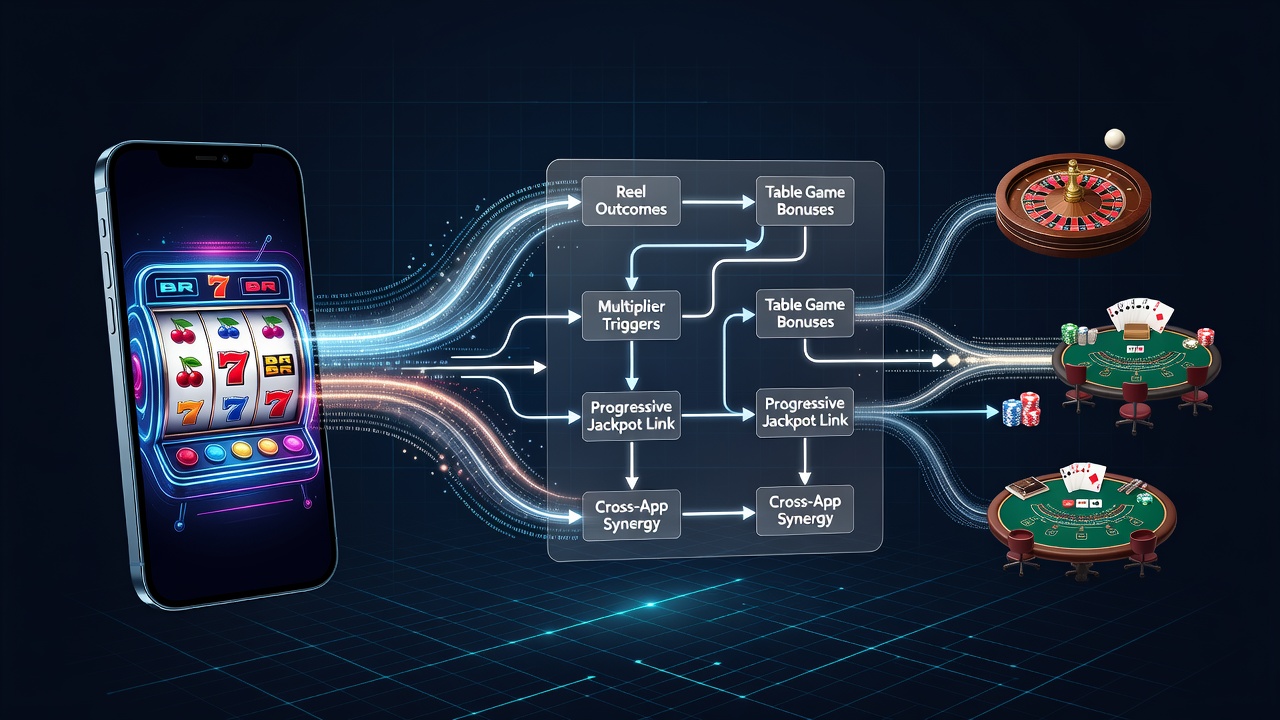
Portable gambling applications have developed systems where outcomes from reel-based games directly modify bonus structures available in table game sections, creating sequential reward flows that users encounter across separate game modules. Developers program these connections through shared backend databases that track spin results and apply multipliers or entry triggers to card or wheel-based offerings within the same session.
Core Integration Patterns Observed in App Architectures
Application frameworks register specific reel combinations as variables that feed into table game parameters, such as increased payout rates during live dealer rounds or unlocked side bet options. Data logs from multiple platforms indicate that a sequence of high-value symbols on reels can elevate bonus eligibility thresholds for blackjack variants by fixed percentages, while lower results maintain baseline access levels. These mechanics operate through API calls that update user profiles in real time without requiring separate navigation steps.
Observers note that the linkage relies on timestamped event tracking, where reel sessions completed within defined intervals qualify for table adjustments. Studies from research institutions in Canada have documented how such timing windows influence participation rates across combined game types, revealing consistent patterns in user progression data.
Technical Implementation Across Device Ecosystems
Software engineers build these connections using modular code structures that separate visual reel displays from underlying probability engines yet share outcome data streams with table interfaces. Mobile operating systems handle the synchronization through background processes, ensuring that bonus states persist when users switch between portrait reel views and landscape table layouts. Platform updates scheduled for rollout in October 2026 aim to refine these data handoffs, incorporating additional encryption layers for transaction-linked rewards.

Testing protocols from industry reports show that latency in these cross-game updates averages under two seconds on standard 5G connections, though older devices experience occasional desyncs that reset partial bonus accumulations. Regulatory filings in several jurisdictions require operators to maintain audit trails of how reel-derived variables alter table game probabilities, allowing oversight bodies to verify compliance with fairness standards.
Regional Regulatory Influences on Linked Systems
Government agencies in Australia have issued guidelines requiring clear disclosure of cross-game mechanics in user interfaces, prompting developers to include explanatory overlays that detail how reel outcomes translate into table bonuses. Similar frameworks in European markets emphasize data separation between random number generators for reels and those governing card shuffles, even when bonus linkages exist at the account level. Figures from trade associations reveal that platforms adopting these linked designs report higher session durations compared to standalone game offerings, based on aggregated anonymized metrics.
One analysis conducted by university researchers tracked deposit patterns alongside bonus triggers, finding that users who engage reel segments first often carry adjusted parameters into subsequent table play. These sequences follow programmed rules rather than random assignment, with the connections explicitly coded to avoid overlap with independent game cycles.
Future Adjustments and Platform Evolution
Industry organizations continue to monitor how these integrated reward pathways affect overall system integrity, particularly as new device hardware introduces variable processing speeds. Adjustments planned around October 2026 include standardized protocols for bonus carryover across app updates, reducing instances where reel progress fails to apply correctly in table modules. External documentation from sources such as the American Gaming Association outlines best practices for maintaining transparent linkage documentation during compliance reviews.
Additional research from academic centers in Asia has examined user navigation logs, confirming that the majority of transitions between reel and table sections occur within single app instances rather than through external redirects. This containment supports the seamless application of outcome variables without introducing external data integrity risks.
Conclusion
Linked mechanics in portable gambling apps continue to evolve through coordinated software and regulatory efforts, with reel outcomes serving as defined inputs for table game bonus modifications. Ongoing implementations maintain separation of core random processes while enabling account-level reward flows that users access across game categories. Data from multiple regions supports the presence of these systems as standard features in contemporary mobile platforms.