Platform Integration in Virtual Gaming: Blackjack Tables and Slot Reels on Digital Casino Sites
Written by Olivia Powell · Nov 3, 2026
Platform Integration in Virtual Gaming: Blackjack Tables and Slot Reels on Digital Casino Sites
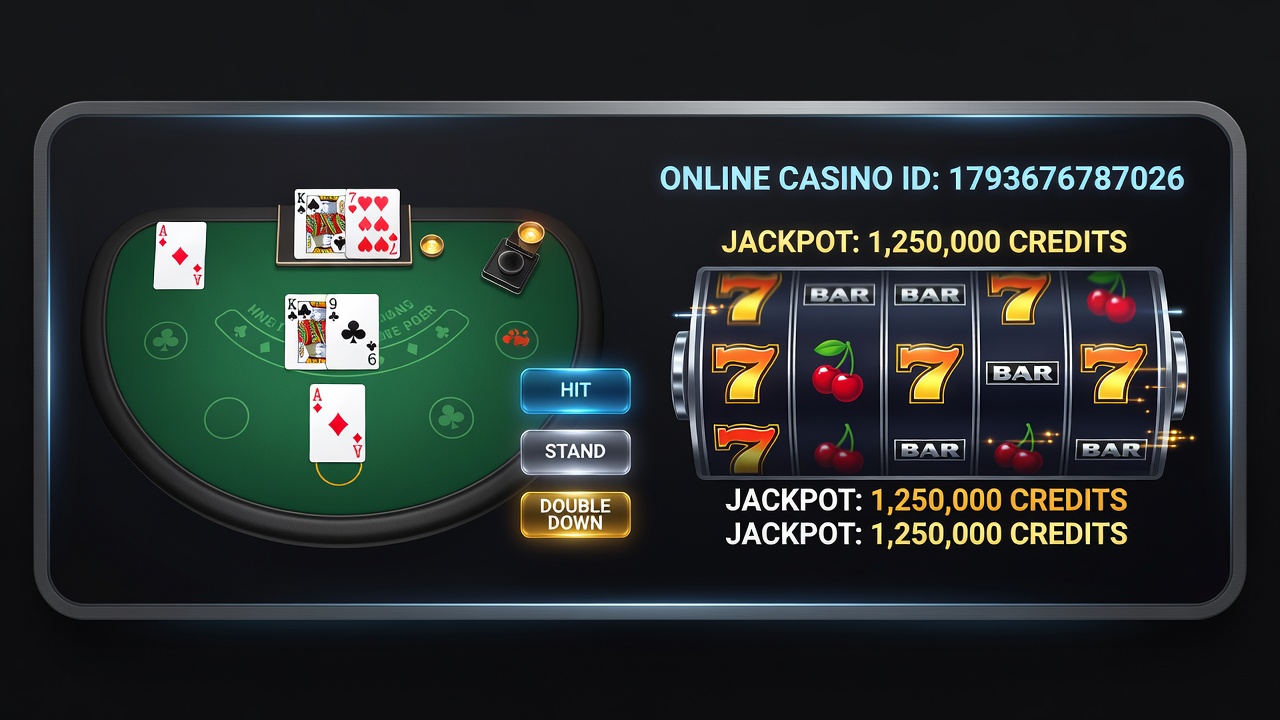
Online casino platforms combine blackjack tables with slot reel systems through unified software frameworks that handle real-time card dealing alongside random number generation for symbols, and developers build these environments to support simultaneous player access across multiple game categories. Data from industry reports indicate that such integrated sites process millions of transactions daily while maintaining separate ledgers for table games and automated reels. Regulatory bodies in various regions track these operations to ensure compliance with payout standards and security protocols.
Core Mechanics of Blackjack in Digital Formats
Blackjack sessions on internet platforms rely on random number generators certified by independent testing labs to replicate physical card shuffles, and players receive two initial cards with options to hit, stand, split, or double down based on standard rulesets. Software providers update these systems periodically to incorporate rule variations such as dealer hit on soft 17 or restrictions on splitting aces, and figures from gaming associations show that average return-to-player rates for blackjack hover between 99.4 and 99.6 percent when optimal decisions are applied. Observers note that live dealer versions stream video feeds from studios located in jurisdictions like Malta or the Isle of Man, where operators must adhere to strict oversight from local authorities.
Slot Reel Systems and Their Operational Patterns
Slot games operate on mathematical models that determine symbol combinations across paylines or ways-to-win structures, with volatility levels dictating the frequency and size of payouts according to pre-set algorithms. Research from academic institutions such as the University of Nevada Reno highlights how bonus rounds and progressive jackpots link multiple machines or sites to create larger prize pools, and statistics reveal that themed releases often feature five-reel configurations with 20 to 50 paylines as standard. Platforms synchronize these elements with account management tools so that wins from reels transfer directly into balances usable for table play without additional steps.
Cross-Game Features and User Flow Design
Many sites enable players to move between blackjack and slots through persistent session tokens that preserve login status and balance information, while features like shared loyalty points accumulate across both categories. In November 2026 several North American operators plan to implement enhanced API connections that will allow instant migration of progress between live tables and reel interfaces, according to announcements from state gaming commissions. This development builds on existing infrastructure where deposit methods support unified wallets, reducing friction during extended play periods.

Payment processors integrate with these platforms to handle deposits via credit cards, e-wallets, and bank transfers, and transaction logs feed into compliance systems monitored by bodies such as the Australian Communications and Media Authority. Studies conducted by research centers demonstrate that players who alternate between game types exhibit distinct session length patterns compared with those who focus on single categories, with data showing average engagement times extending when seamless switches occur.
Security Protocols and Regulatory Oversight
Encryption standards including 256-bit SSL protect user data and financial details across online casino networks, while third-party audits verify the integrity of random outcomes in both blackjack and slots. The American Gaming Association publishes annual reports detailing how licensed operators maintain separation between player funds and operational accounts, and these measures align wth requirements from multiple international jurisdictions. Those who examine platform architecture find that audit trails capture every spin and hand, enabling rapid resolution of disputes through documented evidence.
Responsible gaming tools appear consistently across integrated sites, offering deposit limits, session reminders, adn self-exclusion options that apply uniformly to table games and reel play. Government agencies in Canada and parts of Europe require prominent display of these features, and usage statistics indicate increased adoption rates following regulatory updates in recent years. Observers note that such safeguards operate independently of game mechanics yet remain embedded within the same user interface.
Conclusion
Integrated online environments continue to evolve through technological refinements that link blackjack and slot experiences within single platforms, supported by certified systems and regional oversight frameworks. Records from testing laboratories and regulatory filings confirm consistent standards for fairness and security across these offerings, while scheduled enhancements in late 2026 aim to further streamline cross-game interactions. Industry data and academic analyses provide ongoing insights into operational patterns without altering the fundamental structure of digital casino play.